DAY 1: ARRIVAL DELHI
Arrive Delhi as per your flight timings.
Welcome at the Airport with flower garland and a bottle ow water.
Our company representative will assist you at the airport and
transfer you to your hotel.
Check in at 1400H.
Rest of the day at leisure.
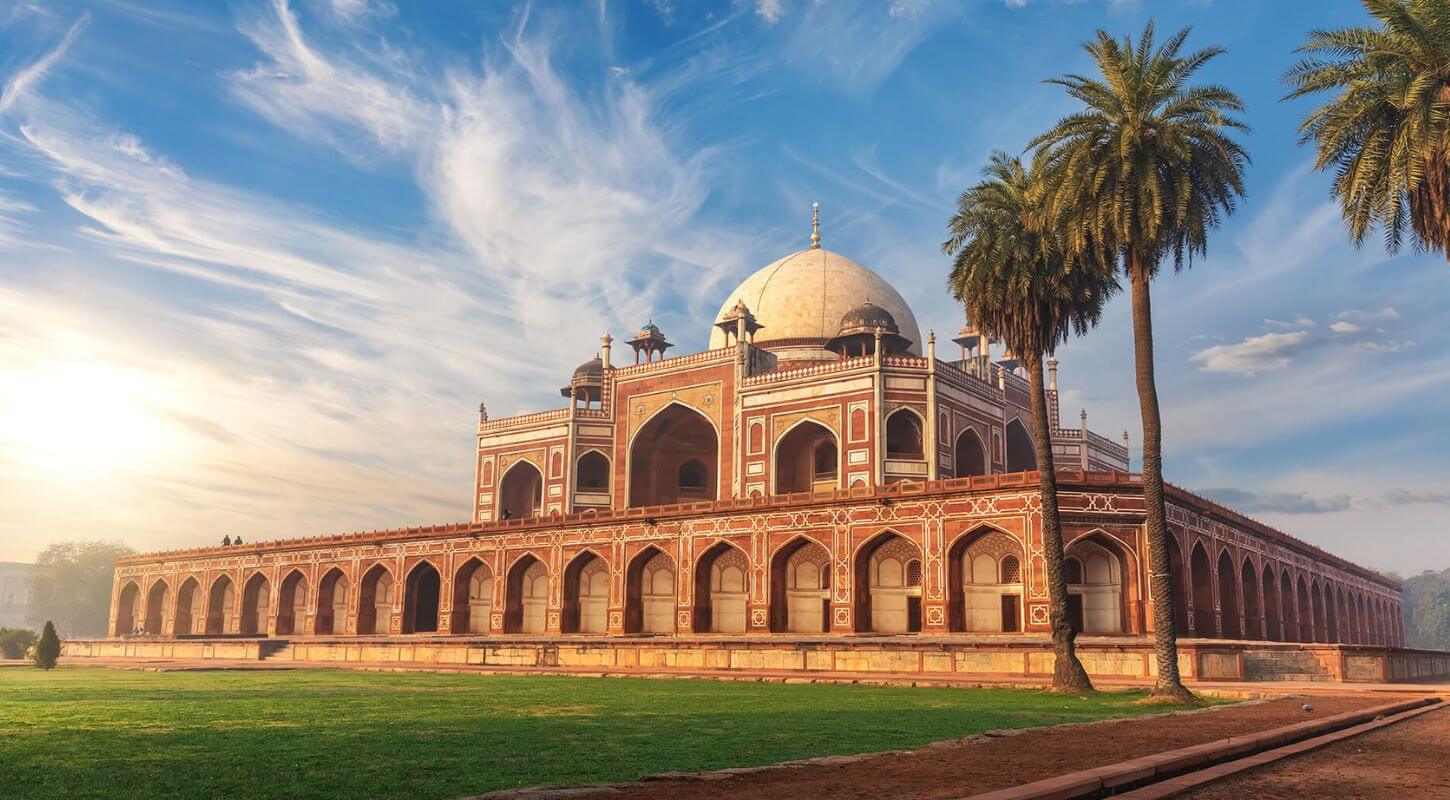
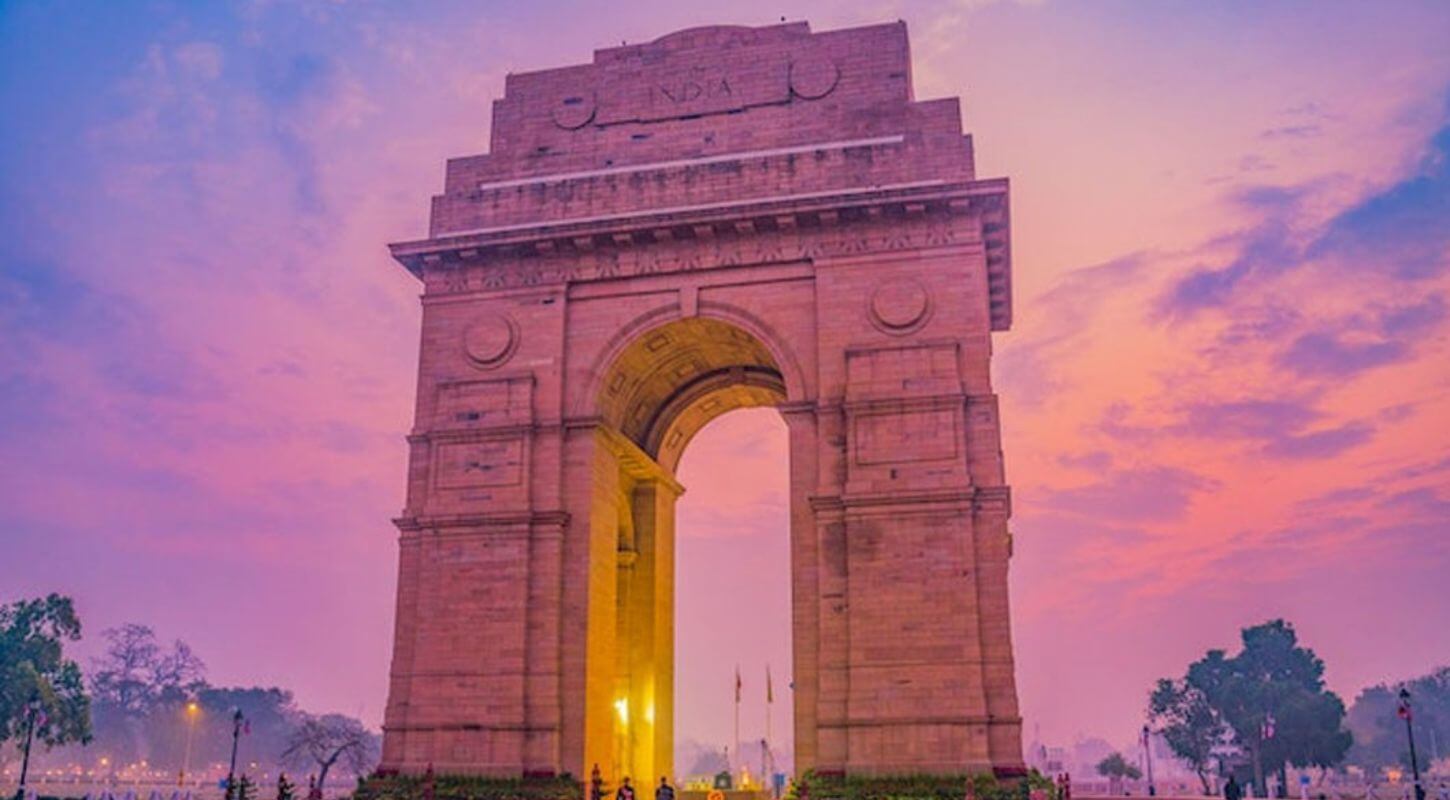
Delhi is the capital city of India and one of its oldest cities,
with a rich historical and cultural heritage. It is located in the
northern part of the country and serves as the seat of all three
branches of the Government of India. The city is known for its
diverse population, historical monuments, vibrant markets, and a
mix of modern and traditional elements.
Overnight at hotel.
DAY2: DELHI / MANDAWA (260 km –5h30M APPROX.)
Breakfast at the hotel. (Not included)
Morning Leave for Mandawa.
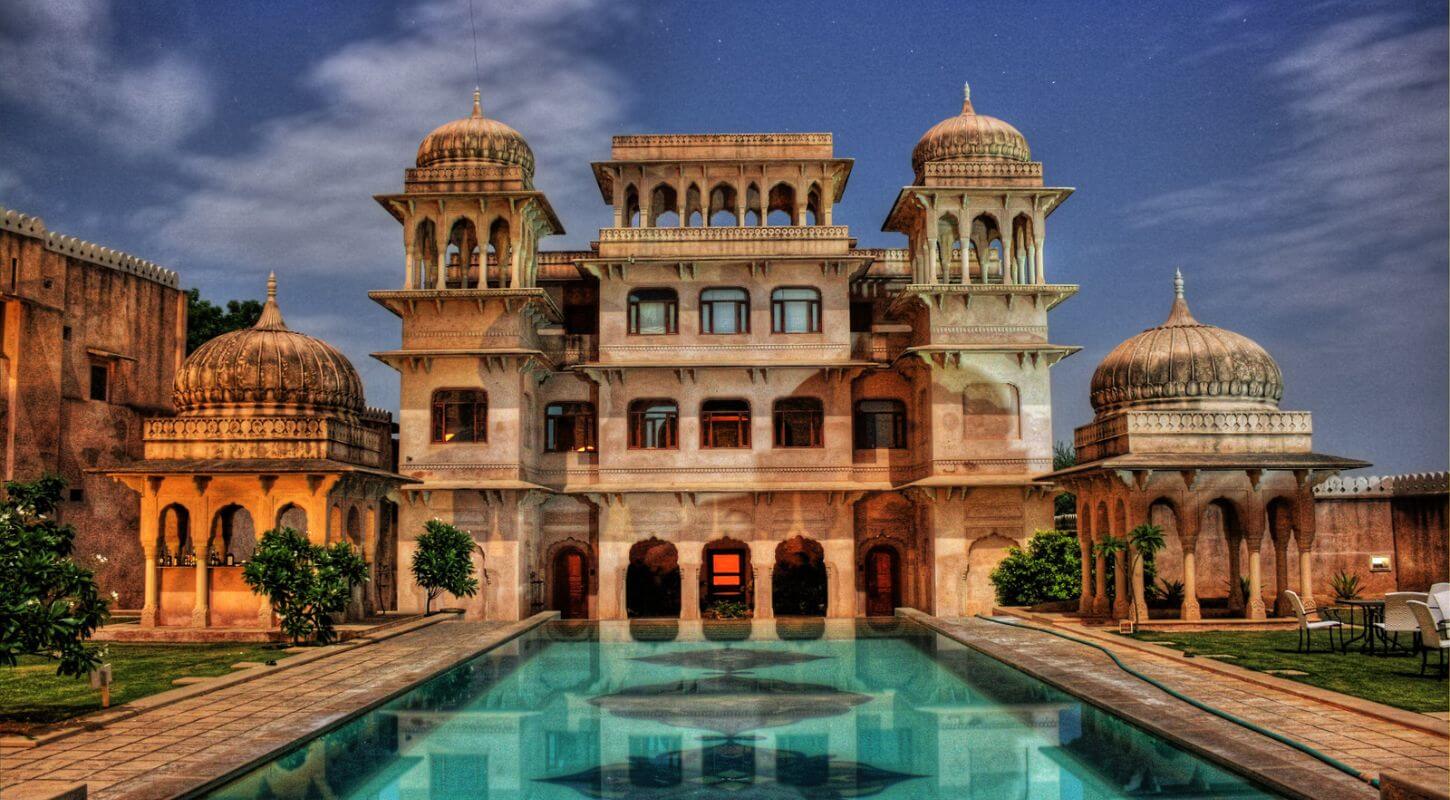
Mandawa is a town located in the Shekhawati region of Rajasthan,
India. It is known for its well-preserved havelis (traditional
Indian mansions) adorned with elaborate frescoes and intricate
artwork. The town is part of the Jhunjhunu district in the
northern part of Rajasthan.
Mandawa gained prominence in the 18th century when wealthy Marwari
traders built these opulent havelis as their residences. These
havelis showcase impressive architectural styles and are adorned
with colorful murals depicting various themes, including religious
scenes, daily life, and mythological stories.
The town has become a popular tourist destination, attracting
visitors with an interest in history, architecture, and art. The
narrow lanes of Mandawa are lined with numerous havelis, each
telling a unique story through its architecture and paintings.
Some of the notable havelis in Mandawa include the Goenka Double
Haveli, Murmuria Haveli, and Hanuman Prasad Goenka Haveli.
Arrive Mandawa in the afternoon.
Remainder of the day at leisure to explore the city yourself.
Overnight at hotel.
DAY 3: MANDAWA
Breakfast at hotel
Visit the village of Mandawa.
Mandawa offers a rich cultural and architectural experience with
its beautifully adorned havelis and historical sites.
Visit the Mandawa Fort: The Mandawa Fort, also known as the Castle
Mandawa, is a massive structure that dominates the town's skyline.
It was built in the 18th century and has been converted into a
heritage hotel. The fort offers a blend of medieval and modern
architecture and provides panoramic views of the town.
Explore the various havelis (traditional mansions) that Mandawa is
famous for. Some of the must-visit havelis include the Goenka
Double Haveli, Murmuria Haveli, and Hanuman Prasad Goenka Haveli.
Admire the intricate frescoes, paintings, and carvings that adorn
these buildings, depicting scenes from Indian mythology, folklore,
and daily life.
Then Visit Nawalgarh. It is renowned for its beautifully decorated
havelis and rich cultural heritage.
Morning leave for Jaipur. Arrive Jaipur in the Afternoon.
Visit the Morarka Haveli:Morarka Haveli is a prominent haveli
known for its intricate frescoes and architecture. The paintings
here depict a mix of religious, mythological, and historical
themes.
Then visit the Poddar Haveli: Poddar Haveli is a well-preserved
mansion with stunning frescoes showcasing scenes from Indian
mythology and daily life. The haveli also houses a museum
displaying traditional artifacts and costumes.
Then continue to visit Dundlodh. Visit the Goenka Double Haveli
and Jagathia Haveli which are among the havelis you can explore to
witness intricate frescoes and architectural beauty.
Return to hotel in the evening.
Overnight at hotel.
DAY 4: MANDAWA / JAIPUR (170 Kms / 4H)
Breakfast at hotel.
Leave for Jaipur.
Rajasthan's beautiful Pink City Jaipur, was the stronghold of a
clan of rulers whose three hill forts and series of palaces in the
city are important attractions. Known as the Pink City because of
the colour of the stone used exclusively in the walled city,
Jaipur's bazaars sell embroidered leather shoes, blue pottery, tie
and dye scarves and other exotic wares. Western Rajasthan itself
forms a convenient circuit, in the heart of the Thar desert which
has shaped its history, lifestyles and architecture.
Afternoon free for independent visits.
Overnight at hotel.
DAY 5:JAIPUR
Breakfast at hotel.
Morning visit the grand Amber fort - The old capital of the
Kachhwahas stands atop a range of craggy hills. The fort is
remarkable as much for the majestic grandeur of its surroundings
as for its sturdy battlements and beautiful palaces. It is a fine
blend of Hindu and Muslim architecture. The solemn dignity of it
red sandstone and white marble pavilions, when reflected in the
lake at the foot hill, is a sight to behold.
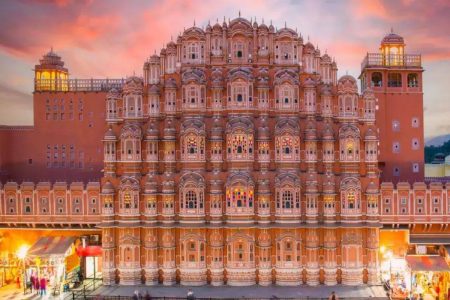
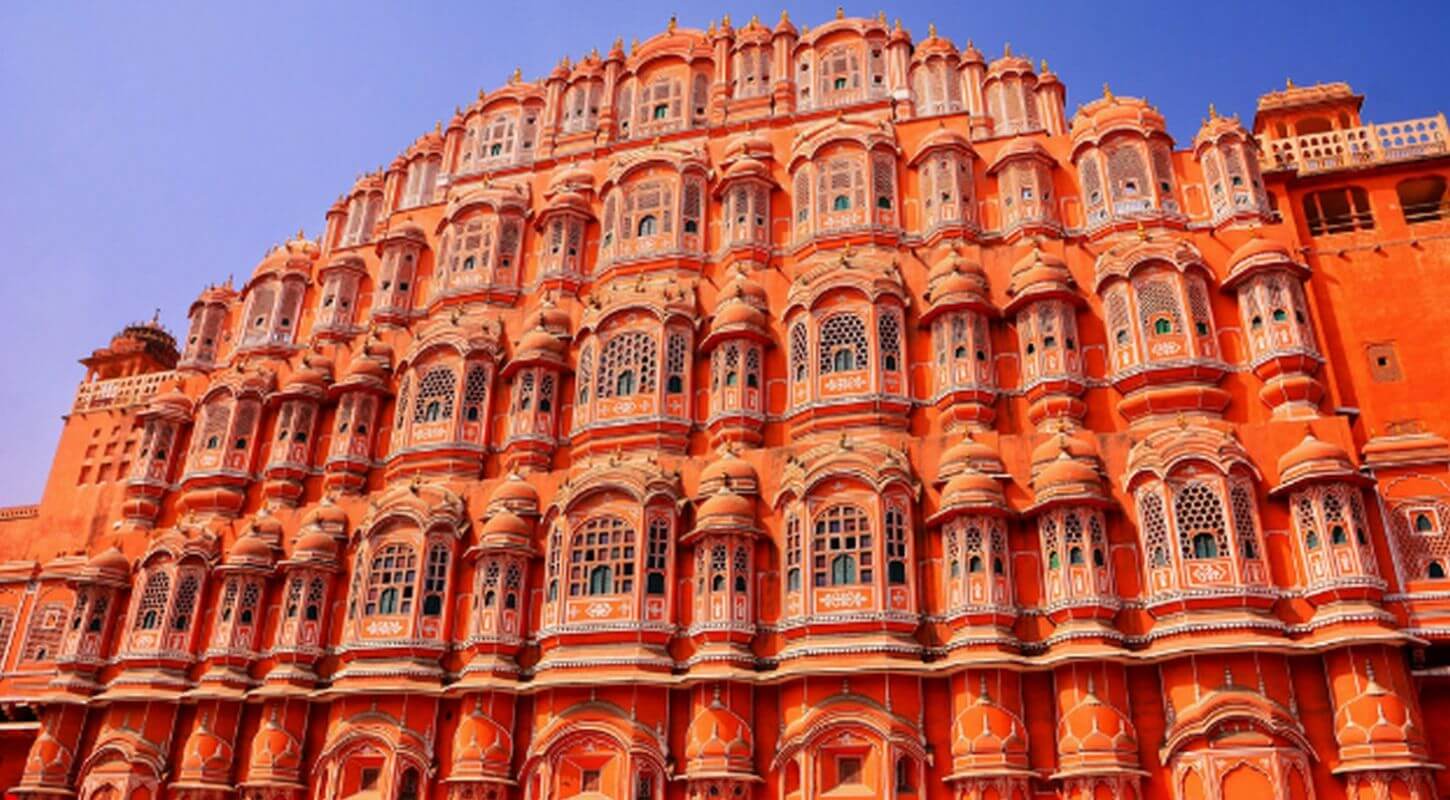
Visit Hawa Mahal (OUTSIDE) - built in 1799, by Maharaja Sawai
Pratap Singh, is the most recognizable monument of Jaipur. The 5
storied stunning semi-octagonal monument having 152 windows with
over hanging latticed balconies is a fine piece of Rajput
architecture. Originally designed for the royal ladies to watch
and enjoy the processions and other activities, on the street
below.
City Palace- situated in the heart of the old City, it occupies
about one seventh of the old city area. The palace is a blend of
Rajput and Mughal architecture, it houses a Seven storeyed Chandra
Mahal in the centre, which affords a fine view of the gardens and
the city. Diwan-E-Am (Hall of public audience) has intricate
decorations and collection of manuscripts, Diwan-E-Khas (Hall of
private audience) has a marble pawed gallery Mubarak Mahal has a
rich collection of costumes and textiles. There is a Clock Tower
near Mubarak Mahal. Sileh Khana has a collection of armory and
weapons.
Observatory - built in 18th century by Maharaja Sawai Jai Singh
II, the huge masonary instruments were used to study the movement
of constellations and stars in the sky. Enormous sun-dial still
provide accurate time, which are subject to daily corrections.
Continued with a Rickshaw ride in the old city of Jaipur.
Optional: Enjoy the movie in one of the oldest heritage movie
theater of Jaipur, Rajmandir.
Overnight at hotel.
DAY 6: JAIPUR –FATEHPUR SIKRI- AGRA (260 Kms / 5H30m)
Breakfast at Hotel.
Morning leave for Agra.
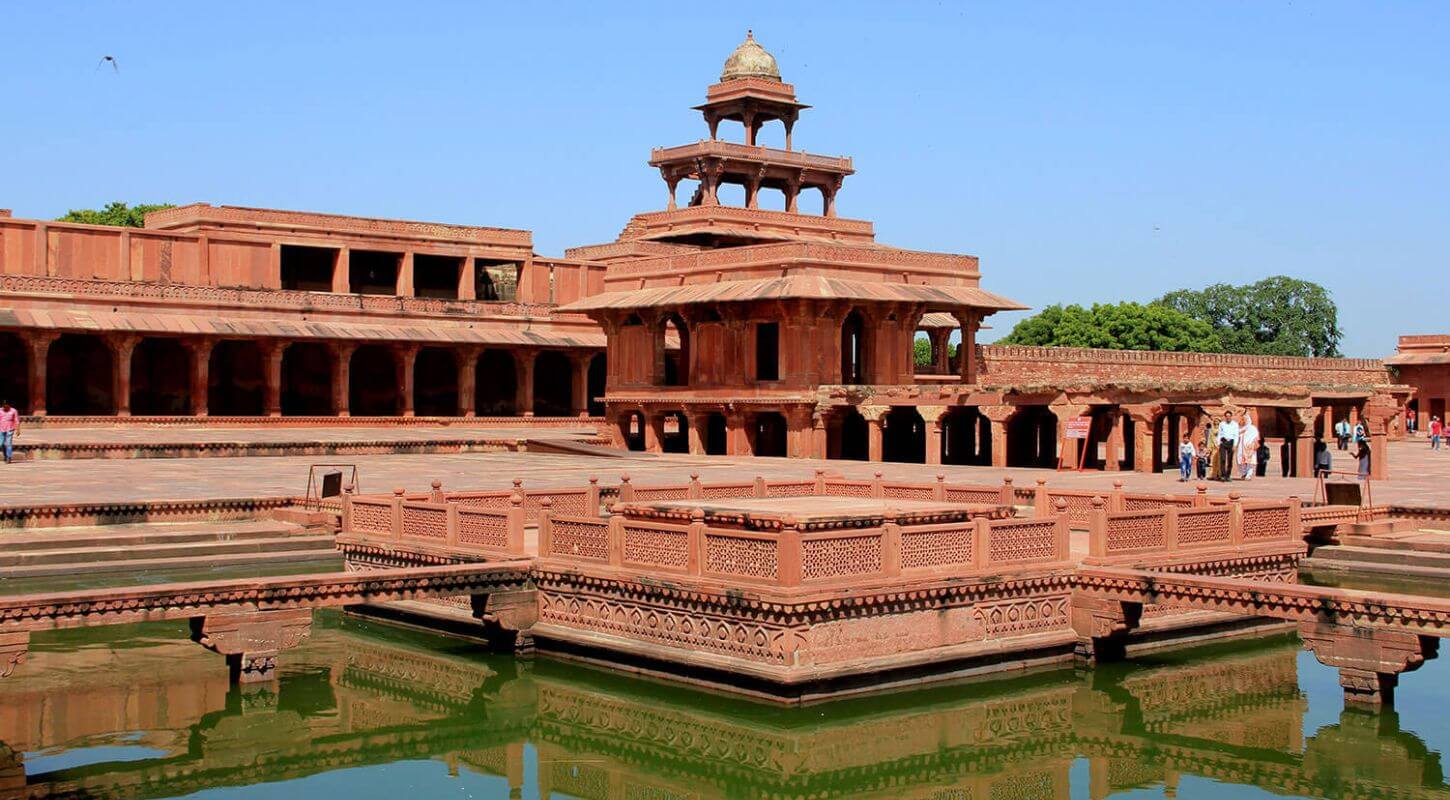
En route visit the Old city of Fatehpur Sikri.
The historical city was constructed by Mughal emperor Akbar
beginning in 1570 and served as the empire's capital from 1571
until 1585, when it was abandoned for reasons that remain unclear.
The surviving palace and mosque are a tourist attraction and a
UNESCO World Heritage Site.
The palace complex is lavishly ornamented and displays the riches
of Amer. Sheesh Mahal chamber of Mirrors. Diwan-e-Am or the Hall
of Public Audience is a beautifully proportioned hall open on
three sides and stands on two rows of ornamented pillars. Diwan
e-Khas or the Hall of Private Audience has delicate mosaic work in
glass. Sukh mandir is guarded by sandalwood doors inlaid with
ivory. Throughout the massive fort finely carved lattice windows,
exquisitely painted doorways, halls and finely sculptured pillars
crave for attention.
Overnight Stay at Hotel.
DAY7: AGRA
Breakfast at hotel.
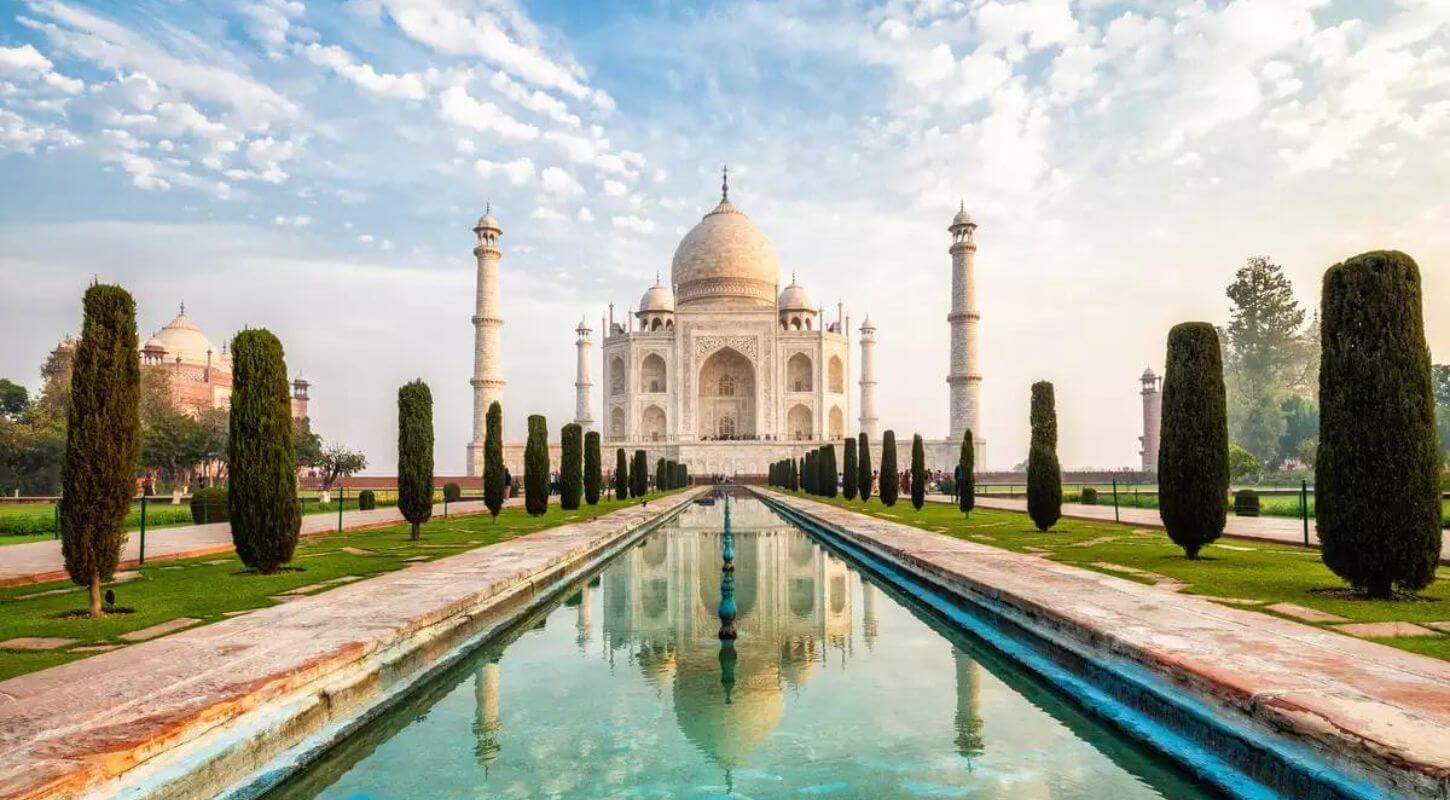
After breakfast visit the Taj Mahal. (Closed on Friday) The Taj
Mahal is a mausoleum located in Agra, India, built by Mughal
Emperor Shah Jahan in memory of his favorite wife, Mumtaz Mahal.
The Taj Mahal (also "the Taj") is considered the finest example of
Mughal architecture, a style that combines elements from Persian,
Ottoman, Indian, and Islamic architectural styles. In 1983, the
Taj Mahal became a UNESCO World Heritage Site and was cited as
"the jewel of Muslim art in India and one of the universally
admired masterpieces of the world's heritage."
Agra Fort is a UNESCO World Heritage site. The fort is also known
as Lal Qila, Fort Rouge and Red Fort of Agra. It is about 2.5 km
northwest of its much more famous sister monument, the Taj Mahal.
The fort can be more accurately described as a walled palatial
city.
Evening visit the Itmadud Daulah and the Dayal Bagh.
Overnight in Agra.
DAY 8 : AGRA – DELHI (200KMS / 4h)
Breakfast at hotel
Leave for Delhi.
Free time for last minute shopping.
Later at night transfer to Airport for flight to onward
destination.
Connect with the Raag Voyages Team to craft your personalized
journey through India